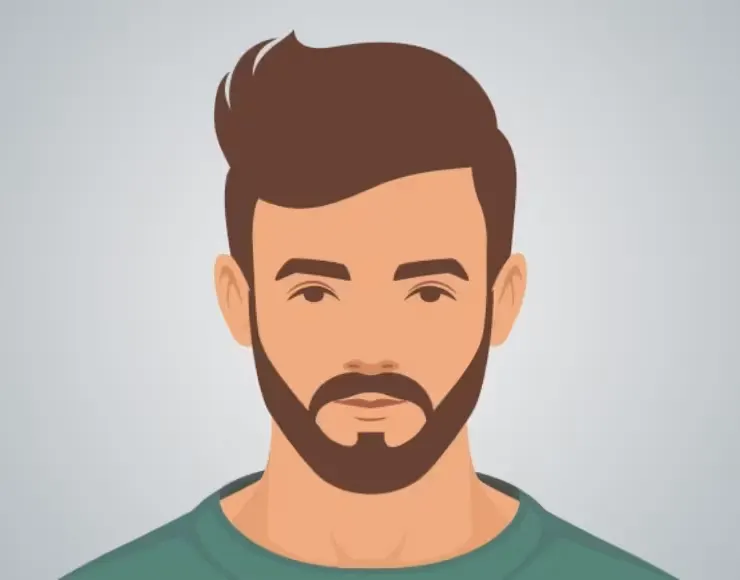
Shave Styles for Men: Popular Looks and How to Choose One

Article Summary
- Find out how popular shave styles, from a clean shave and light stubble to a short boxed beard, goatee and Van Dyke, differ in how much facial hair they keep and how much upkeep they need.
- See how your face shape, beard growth and grooming routine can help you pick a style that works for you, and how a shave style differs from a beard style.
- Pick up simple habits to keep your style sharp, from consistent trimming and defined edges to light strokes, the right grooming kit and post-shave skin care.
Introduction
The right choice depends on your beard growth, face shape, how much facial hair you want to keep and how much time you want to spend maintaining it. Understanding the length, shape and grooming needs of each style can make it easier to find one that fits your routine.
Popular Shave Styles for Men
Different shave styles create different levels of facial hair, definition and maintenance. This quick comparison can help you understand what each style involves.
| Shave style | Facial hair | Maintenance |
|---|---|---|
| Clean shave | No visible beard | Frequent shaving |
| Light stubble | Very short facial hair | Regular trimming |
| Heavy stubble | Short, fuller growth | Trimming and edge clean up |
| Short boxed beard | Short, defined beard | Regular trimming and shaping |
| Goatee | Hair around chin and moustache | Detailed trimming and shaving |
| Van Dyke | Pointed chin beard with moustache | Frequent shaping |
| Clean cheek beard | Beard with shaved cheeks | Trimming and regular shaving |
| Defined neckline beard | Beard with a clean neck area | Regular neckline maintenance |
Clean Shave
A clean shave removes visible facial hair from the cheeks, chin and neck, leaving the face smooth. Because there is little facial hair to define the look, skin preparation and post shave care become an important part of the routine.
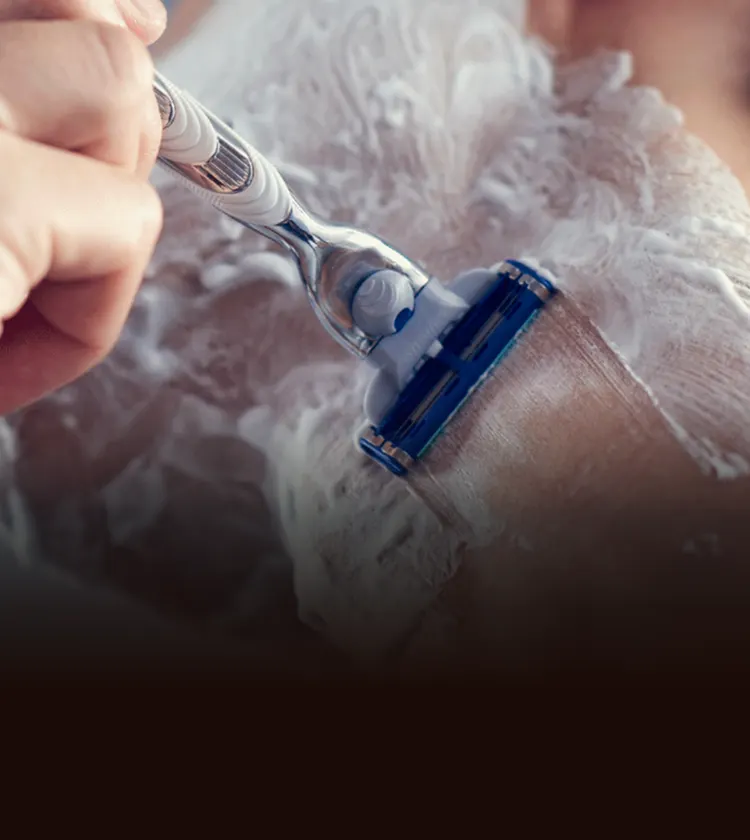
Before shaving, wash your face with warm water and apply a shaving cream, foam or gel. A shaving gel can soften the facial hair and provide lubrication, helping the razor move more comfortably across the skin.
Light Stubble
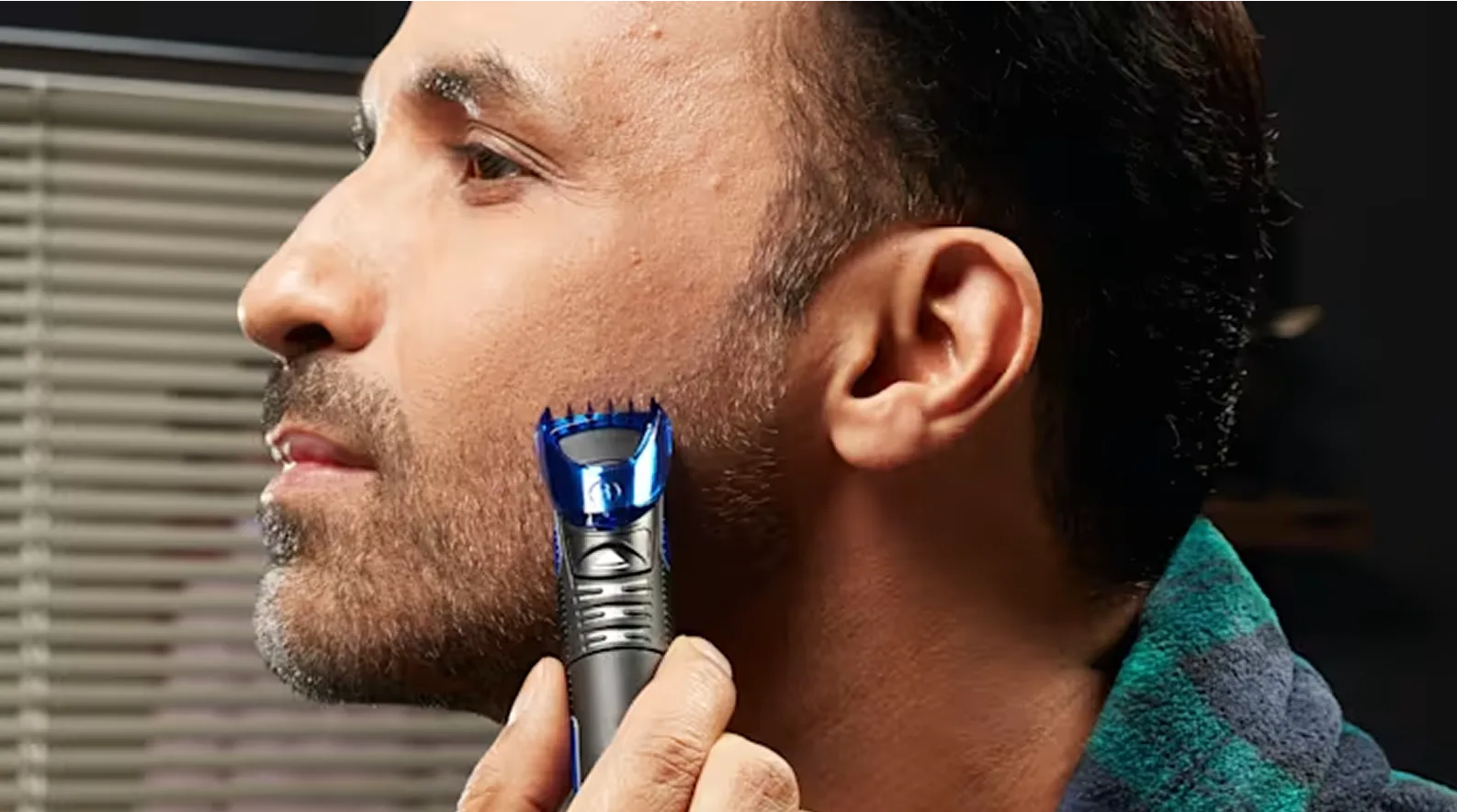
Light stubble keeps a small amount of facial hair visible while avoiding the fuller appearance of a beard. It can be maintained by trimming the hair to a consistent short length.
The exact length you choose can change the appearance of the style. A shorter setting keeps the facial hair closer to the skin, while a slightly longer setting gives the stubble more visibility.
Heavy Stubble
Heavy stubble sits between short stubble and a beard. It gives the face more visible facial hair while keeping the overall length relatively short.
Because the hair is longer, uneven growth can become more noticeable. Regular trimming helps keep the length consistent, while shaving the cheeks and neckline can give the style a cleaner outline.
Short Boxed Beard
A short boxed beard keeps the facial hair relatively short while creating a defined shape around the cheeks, jaw and chin.
Start by bringing the beard to an even length, then work on the cheek line, moustache and neckline. Taking time to trim and shape beard can help you create a more consistent outline before cleaning up the surrounding skin.
Goatee
A goatee keeps facial hair mainly around the chin and moustache while the cheeks remain clean shaven.
This style requires more precision because the facial hair is concentrated around a smaller area. Comb the moustache and chin hair first, trim gradually and then shave the surrounding areas to maintain the contrast.
Van Dyke
A Van Dyke combines a moustache with a pointed beard around the chin. The cheeks are generally kept clean, making the moustache and chin the main focus.
The pointed shape requires more detailed trimming than simple stubble. Small scissors can help with stray moustache hairs, while a precision trimmer can be used to define the edges around the chin.
Beard With Clean Cheeks
A beard with clean cheeks keeps the main facial hair intact while removing unwanted hair above the cheek line. This creates a clearer distinction between the beard and the surrounding skin.
The cheek line does not have to be perfectly straight. Following your natural growth pattern and making small adjustments can help maintain a balanced shape.
Beard With a Defined Neckline
A defined neckline keeps the beard fuller around the jaw while removing hair below the chosen neckline. It can make a short or full beard look more structured.
The neckline should follow the natural shape of your beard rather than being taken too high. Knowing how to trim and shape beard neckline can make it easier to maintain the transition between your beard and the skin underneath.
How to Choose a Shave Style
Consider Your Face Shape
Your facial hair can change how your face is framed. Shorter styles leave more of your natural features visible, while fuller facial hair adds more coverage around the jaw and chin.
Instead of choosing a style based only on face shape, consider how the length and outline work with your own facial proportions.
Consider Your Beard Growth
Your natural beard growth can influence which styles are easier to maintain. If your cheeks grow unevenly, shorter stubble or clean cheeks may make the variation less noticeable. If your chin and moustache grow more strongly, styles such as a goatee can make use of that growth pattern.
Your beard can also change as it grows, so a style that works at one length may look different after a few weeks. Learning how to grow and maintain a beard can help you understand how length, shape, and regular trimming work together.
Consider Your Maintenance Routine
Think about how much time you want to spend grooming before choosing a style.
A clean shave requires regular shaving as new growth becomes visible. Stubble mainly requires consistent trimming, while goatees and Van Dykes need more detailed shaping.
If you want different options for beard length, the All-in-One-trimmer comes with 2mm, 4mm, and 6mm combs. These different settings let you adjust how much facial hair you leave behind as your preferred style changes.
How to Maintain Your Chosen Shave Style
- Keep the length consistent: Start with a longer trimming setting and gradually reduce it until you reach your preferred length. Even trimming keeps stubble and short beards looking balanced.
- Keep the edges defined: Maintain your cheek line, sideburns, and neckline by removing stray hair outside your preferred shape. A precision trimmer can help with smaller areas.
- Prepare your skin: Wash your face or shower before shaving to soften facial hair. Apply shaving cream, foam, or gel to provide lubrication and help the razor glide smoothly.
- Use light strokes: Avoid pressing the razor heavily against your skin. Rinse the blade regularly and avoid repeatedly shaving the same area. Gillette MACH3 has three blades, a lubrication strip, and a Microfin Skin Guard.
- Finish with skin care: Rinse your face after shaving and gently pat it dry. Apply a suitable moisturiser or post-shave product to keep your skin comfortable.
Shave Style vs Beard Style: What's the Difference?
| Shave Style | Beard Style | |
|---|---|---|
| Main focus | How much facial hair is removed | How the remaining facial hair is shaped |
| Look | Clean shave, light stubble, heavy stubble, clean cheeks | Boxed beard, goatee, Van Dyke, full beard |
| What you change | Shaved areas and overall hair length | Beard length, outline and shape |
| Main grooming task | Shaving and keeping selected areas clean | Trimming, shaping and maintaining the beard |
| Example | Clean cheeks with short stubble | Short boxed beard with a defined neckline |
| Tools you may need | Razor, shaving gel or foam | Trimmer, precision trimmer, comb and razor |
| Maintenance | More frequent when keeping the face completely clean | Depends on beard length and how detailed the shape is |
So, if you want to change how much facial hair is visible, you are changing your shave style. If you want to change the length, outline or shape of the beard, you are changing your beard style.
Shave Style Grooming Kit: What Do You Need?
- Trimmer: Useful for maintaining beard and stubble length.
- Razor: Helps remove hair from the cheeks, neck and other areas outside your chosen style.
- Shaving gel or foam: Provides lubrication when shaving.
- Comb: Helps straighten longer facial hair before trimming.
- Precision trimmer: Useful for detailed areas around the moustache and beard edges.
- Moisturiser: Helps care for the skin after shaving.
For someone who switches between trimming and shaving as their facial hair grows, Gillette Guard3in1 has three blades, a pivotable head, a lubrication strip and a safety comb. Its open blade system also makes rinsing easier during the shaving routine.
The important part is to build your shaving kit around the style you actually maintain rather than collecting every grooming product available.


Common Shave Style Mistakes to Avoid
- Trimming too much at once: Start with a longer setting and gradually reduce the length.
- Ignoring natural growth: Work with your beard growth instead of forcing an unnatural outline.
- Taking the neckline too high: Leave enough space below the jaw to maintain the beard shape.
- Making the cheek line too low: Remove stray hairs without unnecessarily reducing beard coverage.
- Shaving without preparation: Use water and a suitable shaving product before using the razor.
- Pressing the razor too hard: Light strokes can help reduce unnecessary friction.
- Ignoring skin care: Regular shaving makes post-shave moisturising an important part of the routine.
- Changing styles too quickly: Give yourself time to see how a new length or shape looks before making another major change.
The right shave style is one that works with your natural beard growth and fits the amount of grooming you are comfortable doing regularly.
FAQs About Shave Styles for Men
What are the different shave styles for men?

Common styles include a clean shave, light stubble, heavy stubble, short boxed beard, goatee, Van Dyke, clean cheek beard and a beard with a defined neckline.
Which shave style is easiest to maintain?
Short stubble mainly requires regular trimming, while a clean shave requires more frequent shaving. Detailed styles such as goatees and Van Dykes need more precise shaping.
How do I choose between a clean shave and stubble?
Consider how much facial hair you want to keep and how frequently you want to groom. A clean shave removes visible facial hair, while stubble leaves a short layer of growth.
How often should you trim stubble?
There is no fixed schedule because facial hair grows at different rates. Trim when the length becomes uneven or when the stubble no longer has the appearance you want.
How do you keep a beard neckline clean?
Identify the neckline you want to maintain, trim the hair below it, and shave the remaining area for a cleaner finish. Make small adjustments rather than taking the neckline too high.
Can you change your shave style as your beard grows?
Yes. You can move between stubble, short beards, and more defined styles as your facial hair grows. Adjusting the trimming length and reshaping the edges can help you transition between styles.
Key Takeaways: Choose a Shave Style That Works for You
To sum up, here's what matters most when you choose and maintain a shave style:
- Shave styles range from a clean shave and light stubble to a short boxed beard, goatee and Van Dyke, and each one needs a different level of upkeep.
- Your beard growth, face shape and grooming routine matter more than any single trend, so pick a style that works with your natural growth.
- A shave style changes how much facial hair you keep, while a beard style changes its length, outline and shape.
- Even trimming, defined edges, proper skin prep and light strokes keep any style looking sharp.
- A simple kit built around the style you actually maintain, such as a trimmer, razor, shaving gel or foam and a moisturiser, is all you really need.
Give a new style a few weeks before you decide on it. Once you find a look that suits your face and fits your routine, keeping it sharp soon becomes second nature.
Was this article helpful?