


Safety Razor vs Cartridge Razor: Which One Should You Choose?

Article Summary
- Find out how a safety razor's single blade and a cartridge razor's pivoting multi-blade head each give you a close shave in their own way.
- Compare control, convenience, closeness, cost, waste and comfort, and see which razor suits you if you have sensitive skin, are just starting out or want to save money.
- Pick up simple habits for a more comfortable shave with either razor, from prepping your skin to caring for your razor between shaves.
Introduction
Cartridge razors are faster and more convenient for daily shaving, while safety razors offer more control and can be gentler on skin once you've learned the technique; neither is universally better. This blog breaks down the differences between safety razor vs cartridge razors, who they suit best, and how to get a comfortable shave whichever you pick.
Safety Razor vs Cartridge Razor: How They're Actually Different
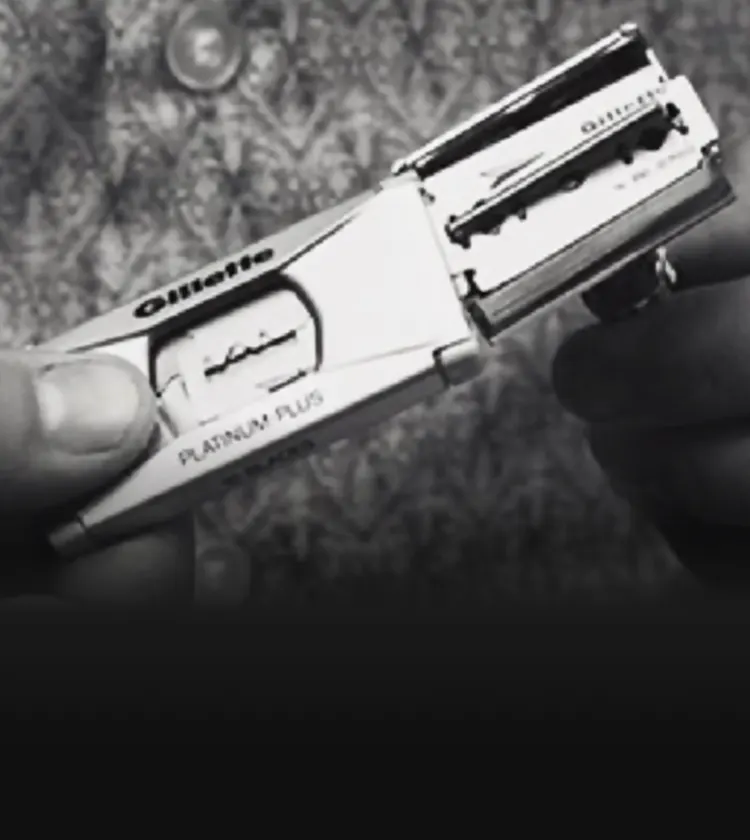
1. Safety razor
A safety razor holds a single double-edge blade in a fixed head, with no pivot. It gives you more control over the angle and pressure while shaving. Here’s what makes it different:
- That single blade is why technique matters more with a safety razor than with a cartridge; this is the real learning curve in a traditional safety razor vs. cartridge comparison.
- Once the technique clicks, a single blade gets just as close as a cartridge, just more slowly and deliberately.
- Double-edge blades cost only a few rupees each, and the only real waste afterward is a small metal blade, not a full plastic cartridge every time.
The safety razor format has stayed largely unchanged for over a century, which is part of why it still has such a loyal following today.
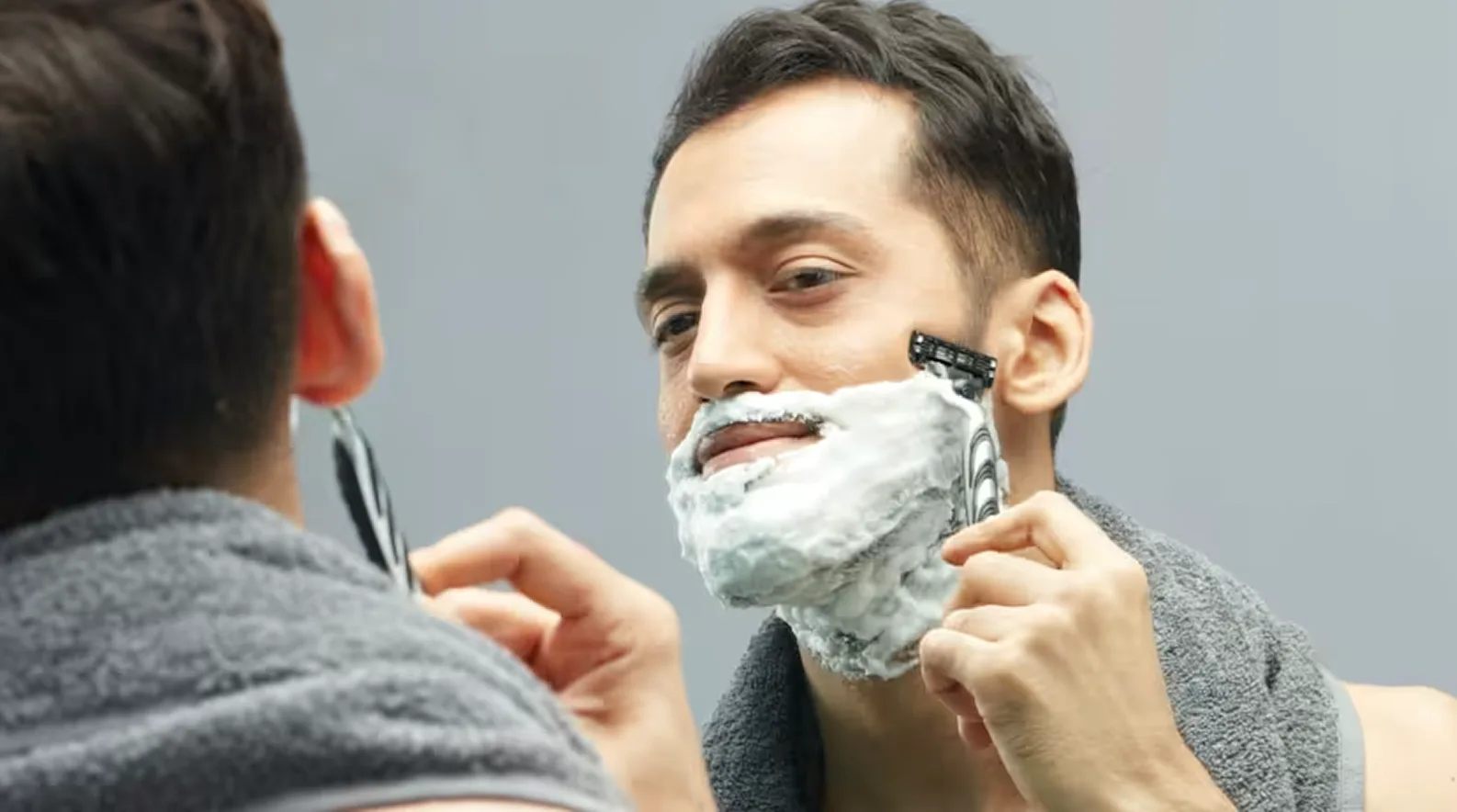
2. Cartridge razor
A cartridge razor uses three to five blades mounted on a pivoting head, with a lubrication strip that helps them glide instead of drag, exactly what you get with something like the Gillette Mach 3. What that design actually gives you:
- That pivot is what follows your jaw and neck automatically, no manual angle adjustment needed, which is why it's the default pick for guys who just want a fast, reliable shave, consistently close with far less skill required.
- Several blades share the cutting load, each one shaving a little less hair per pass, a 5-blade design like the Gillette Fusion 5, which is a manual razor, with precision trimmer takes that go furthest.
- Refills cost considerably more than a safety razor's blades, and each shave means tossing a full plastic cartridge rather than just a blade.
- More total blade-to-skin contact per stroke, too, since more blades doesn't automatically mean less irritation for everyone; that's part of the broader logic behind why more razor blades matter in the first place.
Safety Razor vs Cartridge Razor: The Differences That Matter
Here's the summarized difference between safety razor and cartridge razor design, across blade count, technique, convenience, closeness, cost, waste, and irritation risk:
| Factor | Safety Razor | Cartridge Razor |
|---|---|---|
| Blade design | Single double-edge blade | 3–5 blades, pivoting head |
| Technique | Requires angle and pressure control | Forgiving, glides on its own |
| Convenience | Slower, more deliberate | Fast, minimal thought |
| Closeness | Very close with practice | Consistently close, less skill-dependent |
| Cost over time | A few rupees per blade | Refills cost considerably more per shave |
| Waste | Just a small metal blade | A full plastic cartridge each time |
| Irritation risk | Can be lower with correct technique | Can be higher with more blade-to-skin contact |
Which Is Right for You? Sensitive Skin, Beginners and Cost
Sensitive Skin? Here’s Where the Choice Gets More Personal
- A single blade making one pass creates less repeated friction than several blades sweeping over the same skin in one stroke.
- A small clinical imaging study on 59 men found measurably less shaving-induced redness with a safety razor than a 3-blade cartridge right after shaving, though individual skin and technique matter too.
- Gillette's SkinGuard razor takes the opposite approach, using a guard between the blades to reduce direct blade-to-skin contact, and a separate study found it improved comfort and appearance over 12 weeks for men prone to razor bumps.
- Neither is a guarantee. It's a genuine trade-off between technique-dependent control and a design built specifically to reduce contact.
If You’re New to Shaving, Which Razor Is Easier to Start With?
- A cartridge is the easier starting point. You can start shaving with very little practice, with much less risk of nicks while you're still learning your own skin and hair growth.
- Something simple like the Gillette Guard, a manual shaving razor with 12 cartridges, keeps the learning curve low and the cost down.
- A safety razor isn't out of reach for a beginner but expect a few rough shaves in the first couple of weeks while you get used to the right angle and pressure.
Which Razor Should You Choose for an Affordable Shave?
- A safety razor works out cheaper in the long run.
- Double-edge blades cost only a few rupees each, while cartridge refills cost considerably more per blade, so the higher upfront handle cost evens out after a few refill cycles.
- Run a full safety razor vs cartridge razor cost comparison over a year of daily shaving, and that gap only widens.


How to Get a Comfortable Shave With Either Razor
- Wet and prep your skin first
- Use a gel that suits your skin
- Shave in the direction hair grows
- Keep passes to a minimum
- Use a sharp blade
- Moisturize once you're done
Skin prep, pressure control, and razor care make the biggest difference to comfort while shaving, and all three are worth considering.
Prep your skin before the first stroke
Keep the pressure light and the passes to a minimum
Take care of your razor between shaves
FAQs
Which is better, a safety razor or a cartridge razor?

Whether a safety razor is better than a cartridge depends on what you're optimizing for. A cartridge razor needs almost no technique and glides on its own, while a safety razor takes practice with a roughly 30-degree angle and light pressure, but can reduce irritation once you have the technique down.
Is a safety razor safe for a beginner to use?
Yes, a safety razor is safe for a beginner to use, though expect a few rough shaves while you learn the right angle and pressure.
Does a safety razor cause less skin irritation than a cartridge razor?
A safety razor can cause less skin irritation than a cartridge razor for some people, since one blade making a single pass creates less friction than several blades sweeping over the same skin repeatedly.
Which razor works out cheaper in the long run?
A safety razor works out cheaper in the long run, since double-edge blades cost only a few rupees each compared to cartridge refills, which cost considerably more per blade.
Can I use a safety razor if I have sensitive skin?
Yes, you can use a safety razor if you have sensitive skin, and fewer blade passes may help reduce cumulative friction. A cartridge razor built specifically for sensitive skin is also a solid option if you'd rather skip the learning curve.
Are cartridge razors a better value than safety razors for daily grooming?
Cartridge razors are not necessarily a better value for daily grooming once you factor in refill costs, since a safety razor's blades cost only a few rupees each compared to cartridge refills over months of daily use.
Key Takeaways: Choose the Razor That Fits Your Shaving Style
To sum up this safety razor vs cartridge razor comparison, here's what actually matters:
- A safety razor gives you a single blade and full manual control, with a real learning curve, and it's often gentler on skin once you've learned the technique.
- A cartridge razor gives you multiple pivoting blades built for speed and convenience, as seen in Gillette’s Fusion blades and razors, and it's more forgiving for beginners.
- Sensitive skin can go either way. A few passes with a safety razor help some people, while a cartridge built specifically for irritation works better for others.
- If you are new to shaving, a cartridge is the easier starting point; a safety razor is worth trying once your technique feels solid.
- Whether a safety razor vs. a cartridge razor is right for you comes down to your skin, your patience, and how much you care about the process versus just getting it done.
Next time you shave, pay attention to what's actually bothering you about it. That's usually the fastest way to tell which razor you should be reaching for.
Was this article helpful?


